

 Back to Blogs
Discover the Advantages and Efficiency of Low-E Glass Windows

Every home needs beautiful, clear windows! But while windows are necessary for natural light and do wonders for maximizing your property’s curb appeal, it can be frustrating when they make certain rooms too hot during the summer or too cold in the winter. Simply put, many windows just aren’t that energy efficient.
But others are. In fact, Low-E windows could be just what your property needs for you to see several big benefits (both in your wallet and your home’s overall value). Let’s take a closer look.
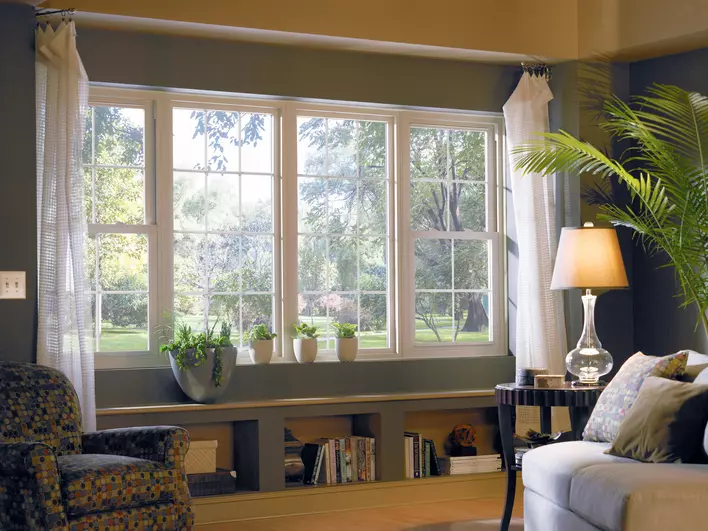
What are Low-E windows, exactly?
Low-E or “low-emissivity” windows are glass windows that feature microscopic transparent coatings that reflect heat. True to their names, they have lower emissivity for certain types of sun rays, effectively letting fewer rays pass through and enter the home compared to standard glass windows.
The result? Less energy transmission from one side of the window to the other. Even better, Low-E glass windows don’t compromise their functionality or aesthetic value – they can do the same things that other windows do just as well, including letting in plenty of natural light.
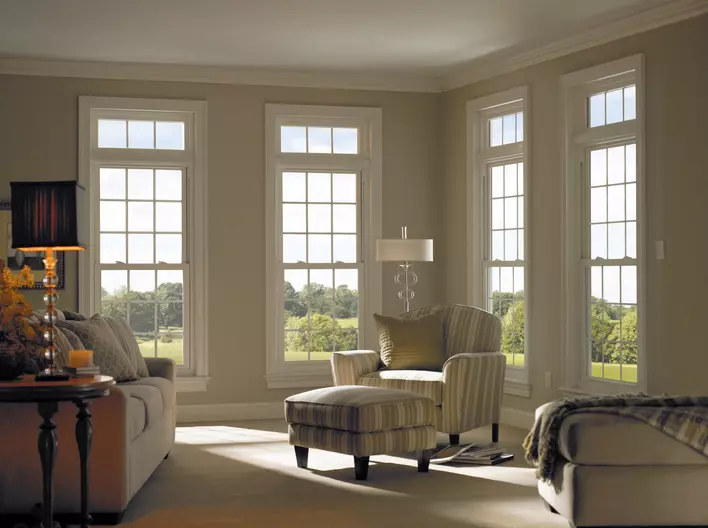
How do Low-E glass windows work?
If a Low-E window has a special coating that blocks solar radiation, how does it work?
Put simply, the special emissivity coatings on Low-E glass windows are chemically formulated to shield against a certain range of UV radiation. The coating reflects light, so it bounces away from your home or back into your home, depending on the light source. In short, Low-E windows help reduce the amount of heat transfer your windows allow.
But doesn’t that mean a Low-E window won’t permit any natural light through? Not at all. The Low-E coatings used for these glass windows are only designed to block certain types of UV radiation. The UV radiation that we can see – also called the visible spectrum of light – is permitted through as easily as normal.
Depending on the Low-E window type you choose to install, the low-emissivity coatings could be installed on the outer layers of the glass or between multiple panes of glass for added longevity and protection.
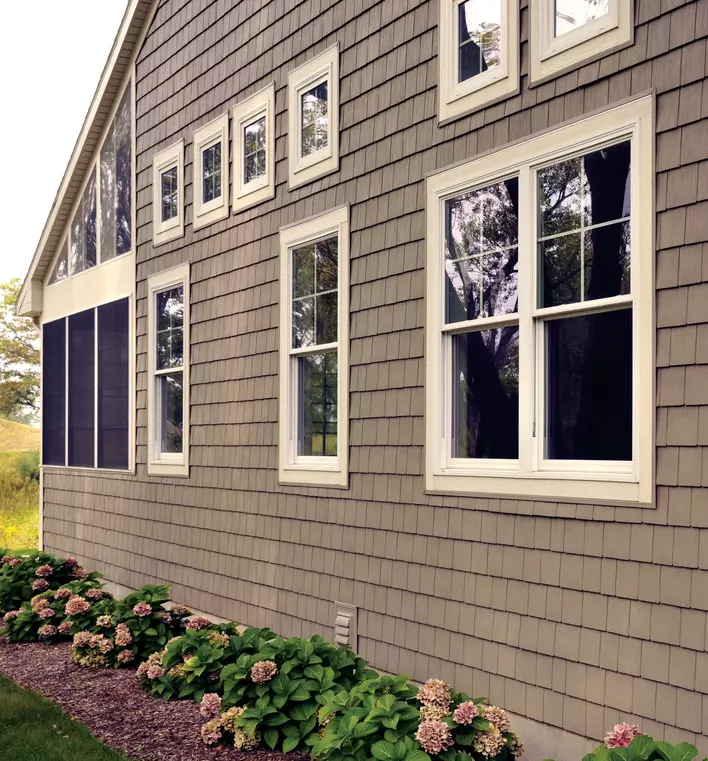
Types of Low-E coatings for windows
For any given Low-E window, there are two possible emissivity coatings it might use. These are:
- Passive Low-E coatings, also called hard coats. Passive Low-E coatings are created through the pyrolytic process, which applies the coating to glass ribbons while they are being manufactured. The coatings fuse to hot glass surfaces before the windows are finished.
- Solar control Low-E coatings, also called soft coats. Solar control Low-E coatings are made with the Magnetron Sputtering Vapor Deposition (MSVD) process. These coatings are applied to pre-cut glass after the fact, so they have to be sealed and insulated within the glass to be effective.
Regardless of the type of Low-E coatings used for your windows, every low-emissivity glass window is rated according to factors like:
- Solar heat gain coefficient (SHGC), which measures how much incident solar radiation gets through the window
- U-value, which tells you how much heat loss or energy loss a window allows
- Visible light transmittance (VLT), which indicates how much visible light passes through the glass
- Light to solar gain, which is the ratio of visible light transmittance compared to the solar heat gain coefficient rating
If a given Low-E window has low SHGC or U-value ratings, it'll likely be ENERGY STAR-certified: proven to be energy efficient!
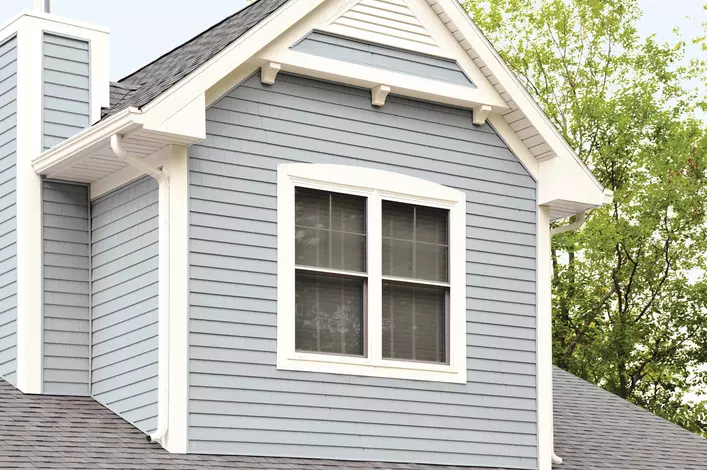
The biggest benefits of Low-E windows
When they’re properly installed, Low-E windows can provide many big benefits to your property, especially if you install several windows rather than just one or two. Take a look.
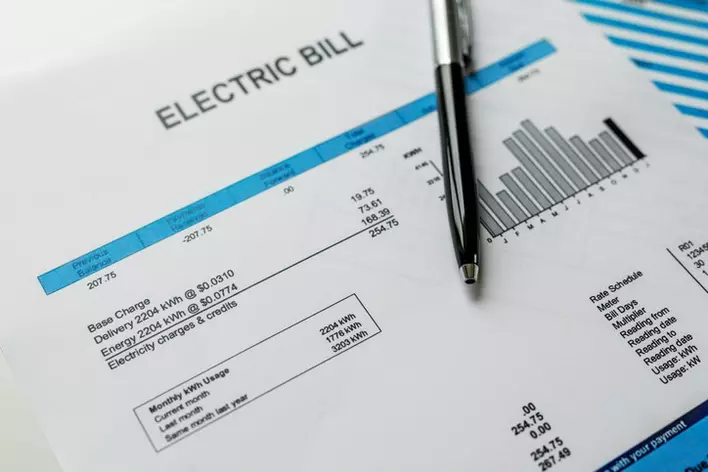
Lower energy usage – and a lower energy bill!
For starters, you’ll immediately see lower energy usage throughout your home. By preventing some solar rays from getting inside during the summer, your AC system won’t have to work as hard to keep your home cool. During the winter, Low-E coatings can also be effective by preventing light (and warmth) inside your home from escaping through your windows.
In the long run, this could add up to serious savings on your energy bill. Some homeowners might see savings to the tune of hundreds of dollars per year, especially if they choose high-quality windows like Alside’s energy-efficient vinyl windows.
Reduced carbon footprint
Simultaneously, Low-E glass windows will reduce your carbon footprint. For eco-conscious homeowners, this is a big benefit. Simply switching out your old windows for energy-efficient alternatives is enough to significantly cut down on how much power your household uses, especially in the hot summer or cold winter months.
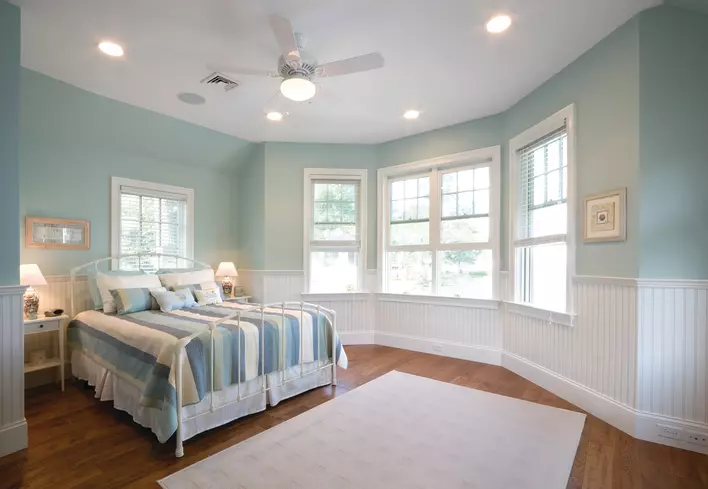
Protection from harmful UV rays
There’s no need to wear sunblock while indoors, of course, but Low-E windows can still provide protection against harmful UV rays. Rather than defending your skin, these windows will safeguard your furniture pieces.
Many ultraviolet light waves can cause the color on your favorite fabrics – such as the fabric on your couch or bed comforter – to fade away with time. Therefore, installing Low-E windows could save your furniture pieces, your carpet, and even your drapes from discoloration over the years.
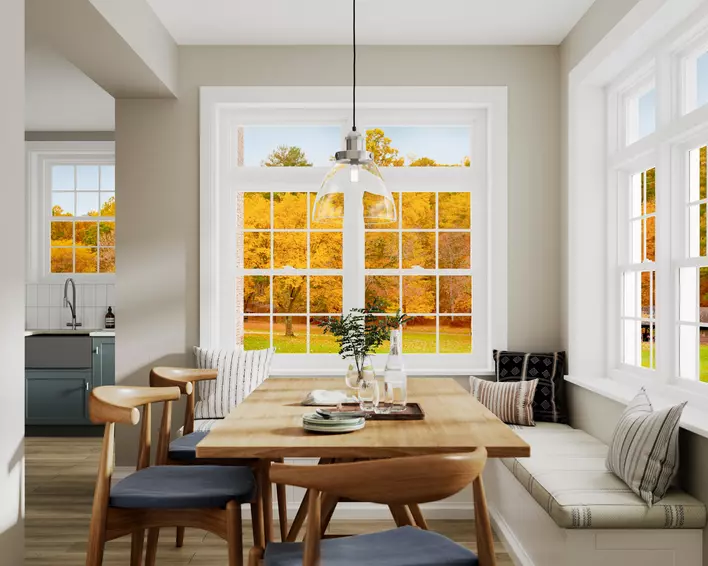
Enable natural light and a clear view
As we mentioned earlier, Low-E windows don’t compromise your view of the outdoors whatsoever. You can enjoy the same amount of natural light throughout the day, plus rest assured that your largest, most scenic windows will still look great, even if they are swapped out with windows featuring Low-E coatings.

Higher home resale value
Given their energy efficiency, you won’t be surprised to learn that Low-E windows can improve your home’s curb appeal and its resale value. If selling your home is a distant but real possibility, renovating your property with Low-E windows now could let you pocket some extra profit when the time comes to attract prospective buyers.
How to get Low-E glass windows for your home
Given all these benefits, it might be a no-brainer to install a few Low-E windows throughout your home! Who doesn’t want instant savings on their energy bill? The savings from heating and cooling costs can really stack up and make Low-E windows an easy choice for your home.
Luckily, you don’t have to look far. Window World of Mason City is just the place to get a complete set of new Low-E windows for your home. Not only do we offer Low-E windows in a variety of shapes and styles, but we can also handle installation on time and on budget. Get in touch with one of our representatives today to learn more!