

 Back to Blogs
How to Prepare Your Home for a Winter Storm

Here’s what you should do to prepare your house for Iowa winter storms.
Mason City gets great weather throughout the year, except when things take a dive into the deeper end of the temperature spectrum, and winter rears its chilling head once again. Winter storms in Mason City can be especially cold and challenging; in 2018, for example, Mason City saw nearly 70 inches of snow.
Whether you’ve lived here for years or are bracing yourself for your first winter season, you need to know how to prep your home for a winter storm. Fortunately, you can do just that with these key steps.
Weatherproofing your Mason City home for winter
In any winter storm, your home is your toasty castle. It’s always wise to take steps to weatherproof your house ahead of time, though. Plus, if you weatherproof your home in the right way, it’ll be safe against not just winter storms but a variety of extreme weather in Iowa, ranging from rainstorms to heatwaves and more.
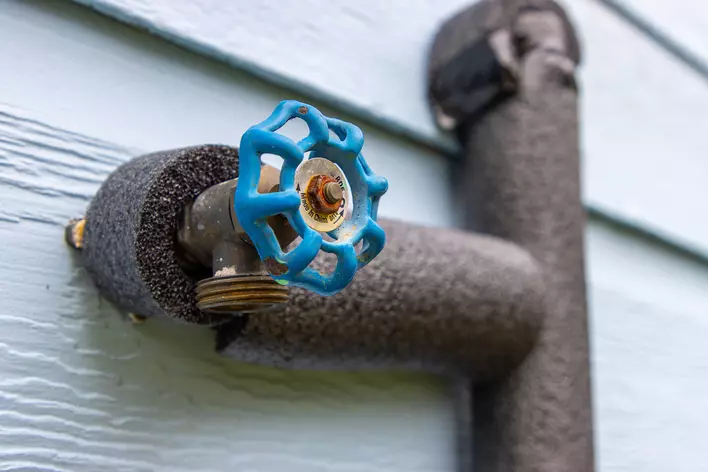
Insulate water lines for extreme cold weather
If you’re familiar with Mason City winter storms, you already know the old-school trick to let your faucets trickle or drip overnight. Letting just a little bit of water continue to run through the pipes could stop them from freezing.
But if the weather drops particularly precipitously, it’s even smarter to go the extra mile and insulate your water lines. Water pipes that run along the exterior walls or in any unheated interior spaces, like kitchen cabinets or attics, are susceptible to freezing if temperatures drop too low.
Purchase some cheap pipe insulation from Lowe’s or Home Depot, then wrap those pipes up. To protect smaller pipes beneath the kitchen cabinet, just open the cabinet doors, so warm air flows around them.
Weatherstrip and caulk doors and windows
Your home’s doors and windows are potential weak points where cold air can sneak inside. To shore up your home’s winter defenses, consider weatherstripping the doors and windows along their seams. Or use a caulking gun to apply fresh caulk to the same spots. Sealing these areas will prevent air from flowing in or out, saving you from winter storm chills and sweltering summertime heat alike.
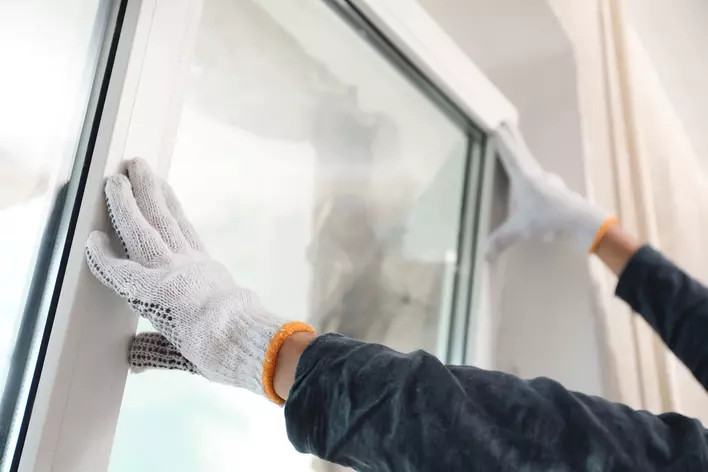
Insulate old windows or get new energy-efficient ones
Your windows, in particular, are vulnerable to winter storm damage or heat loss. If you have one or more drafty windows in your house, consider insulating them or, even better, swapping them out with new and energy-efficient alternatives.
Most energy-efficient windows are constructed with several panes of glass, which are separated by gas layers that do wonders to keep heat inside the house and prevent it from escaping outside. These days, you can get great-looking new windows for the living room, bedroom, kitchen, and elsewhere in your home.
Repair roof leaks
Don’t forget to look up and inspect your roof for leaks! Heat rises, so any holes or cracks in your roof will be easy escape vectors for warm air, not to mention act as trouble spots for snow to fall through. Patch these with a caulking gun and other materials as needed, or better yet, install a new roofing system to fully protect against inclement winter weather in Iowa.
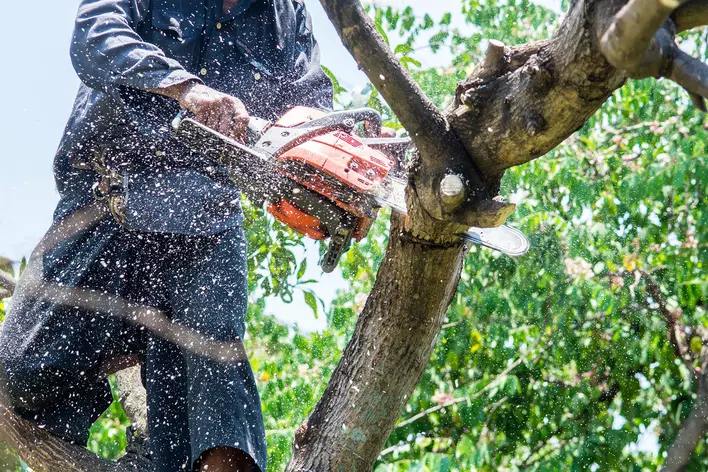
Cut down dangerous branches before the blizzard comes
Lots of Mason City homes have trees in their front or backyards. But if you let those trees grow unchecked throughout the rest of the year, their branches might extend over your driveway or house.
Winter storms aren’t just cold; they’re often very windy too. The combination of wind, snow, or ice might be enough to make heavier tree branches snap and fall on your car, your home, or something else. So do yourself a favor and cut down any potentially dangerous branches or hire an arborist if the branches in question are difficult or dangerous to trim yourself.
Cover outside generators or equipment
Have an exterior generator for your garage? Or do you keep any special equipment outside due to space restrictions? No matter what you have, those key pieces of equipment need to be protected from winter weather.
If you can't fit them in your garage, cover them with a heavy tarp. Don't forget to weigh the tarp down with stones or nails to keep it from blowing away.
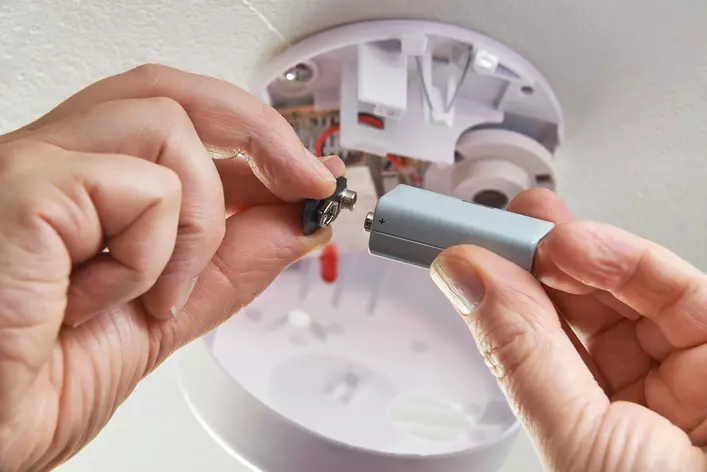
Check your smoke detector and carbon monoxide detector
Odds are you’ll run your home’s heater constantly during a winter storm. But that increases the chances of accidental fires or carbon monoxide poisoning, especially if you use an old-fashioned heater or fireplace for some extra heat.
With those dangers in mind, check your smoke detector and carbon monoxide detector (whether they’re part of the same unit or separate units) and make sure they’re still working. Insert some fresh batteries if they don’t flash or sound the alarm during tests.
Get your tools in order – shovels, salt, and more
Prepping your home for a winter storm is about getting ready for the aftermath just as much as it is about hunkering down to wait out the weather. Collect and organize your tools so you can extricate yourself from mountains of snow when the clouds clear. At a minimum, you need:
- Several shovels for shoveling snow out of the driveway
- Salt for your driveway or sidewalks
- Flashlights
- A windshield scraper
- Tow chains or rope
- Tire chains for your car
- Thick coats, scarves, and gloves, not to mention snow boots
- A generator just in case you need to power a motorized snowblower or plow (but be sure to keep generator safety in mind by storing it in the garage and checking it for flaws before turning it on)
Stock up on food and water before winter storms hit
Speaking of stocking up on emergency supplies, take a trip to the grocery store before winter storms hit and purchase some of the essentials. Canned food is great since it’s not perishable. It’ll last even if you lose power and end up snowed in for a few days. Don’t forget clean water, either; if the water pipes do freeze, you’ll want to ensure you have drinking water that you don’t have to melt.
Prep and stash a winter storm emergency kit
In the event of a power outage, having an ice storm preparation kit ready to go will provide you with peace of mind and help you and your family stay safe and warm while the utility companies work to restore it. Your emergency kit should include:
- A portable cell phone, charger, and spare batteries
- A few flashlights and spare batteries
- A battery-powered radio with, once again, more batteries
- Waterproof matches
- A first-aid kit with bandages, gauze, and disinfectant
- Some spare firewood and kindling
- Warm blankets, gloves, and socks
Mason City winter storms can be rough, but the right preparations will help your home stay safe and comfortable while you wait them out.
Of course, some preparations are best undertaken sooner rather than later. Get in touch with Window World of Mason City today to discuss energy-efficient windows and more exterior remodeling products that help keep your home safe year-round.