

 Back to Blogs
Weatherize Your Home For Any Season

Tips on keeping your home the perfect temperature all year round
Fall is on its way, which means Winter won’t be far behind! It’s time to batten down the proverbial hatches and make sure your home is ready for freezing weather (and probably a bit of snow!). Temperatures can easily dip below freezing in Mason City – in fact, the average low in January is just 10°F.
The last thing you want is your energy bill to spike while you shiver through the winter. Fortunately, you can weatherize your home for the winter season with a few easy weatherization tips and DIY projects. Let’s dive in!
Start with a home energy audit
First things first – don’t buy a bunch of insulation materials or start planning projects without knowing exactly how to shore up your home’s temperature defenses. The best way to know how you should weatherize your property is to schedule an energy audit with a home energy professional.
According to the US Department of Energy, a whole-home energy audit is important so you can determine:
- Where your home loses most of its air-conditioned or heated air
- How your home could be more energy-efficient
- Where the most cost-effective improvements can be made
Even better, starting with an energy audit will let you take advantage of its results in summer as well as winter. You can further weatherize your home for the heat after you’ve fixed it up for the cold.
Once you get your audit results back, you can start the process of weatherizing your home.
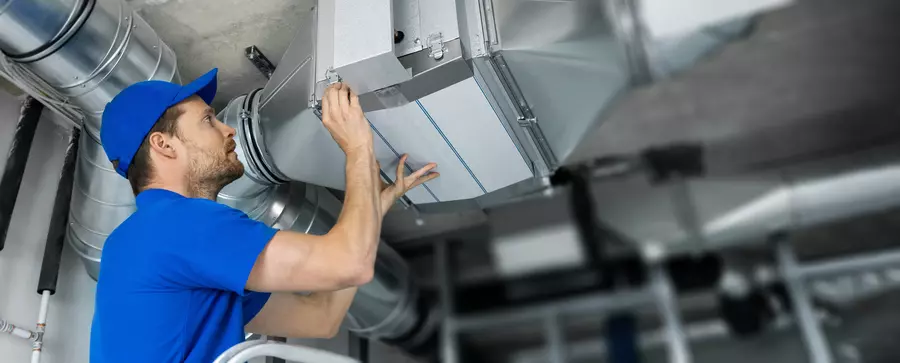
Tune up your AC and heating systems
If your home is like millions of Americans’, odds are good that the heating and cooling systems could use a bit of work. Fortunately, there are lots of ways you can do this:
- Call professionals to perform heater maintenance if your unit is complex or tough to reach
- Swap out your heater filter if it’s reachable – this is the number one way to increase a standard heater’s efficiency, especially since many people forget to change the filter regularly
- Flush your water heater if your home uses one
Not sure if your heating system needs work? If you turn the thermostat up, but it doesn't get warmer and you can't feel a draft, the problem is likely with the heater instead of other areas of your house!
Seal up other entrances (plus the attic’s drafty walls)
That said, bad drafts can do a number on your home’s internal temperature and your monthly energy bill. Take a thorough look around your home and note any rooms that are colder or warmer than others (or consult the results from your energy audit).
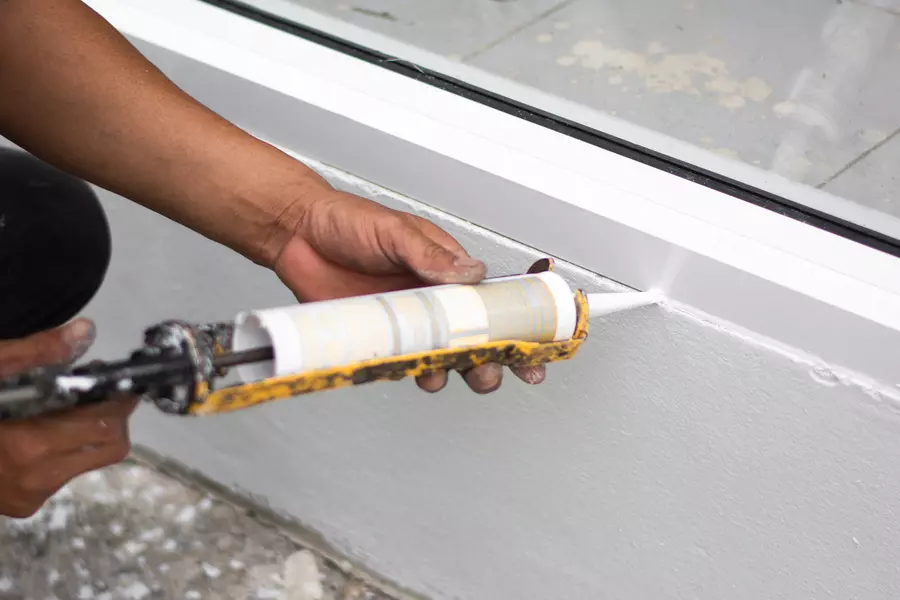
If you notice cracks in the walls, doors, window seals, or elsewhere, you can seal them up with a caulking gun and easily reduce heat loss. Find an easy-to-use, affordable caulking gun at a home improvement or supply store. Door sweeps are also beneficial at sealing your door and preventing heat loss.
Consider checking your attic and/or basement to go the extra mile. These rarely used rooms oftentimes have draft issues. If you see something, seal it up and revel in immediate savings on your energy bills!
Caulk vents + plumbing fixtures
Keep your caulking gun in hand and thoroughly inspect your plumbing fixtures and vents. If improperly sealed, the vents can bleed warmed air all winter long. Don't forget to take a look at the exterior vents, too! If needed, apply a durable, long-lasting caulking material to ensure your exterior seals last for the season.
As for plumbing fixtures, check the kitchen and bathroom sinks, the toilet, and anywhere else water runs that you can reach. If water leaks from the pipes, caulk those leaks or tighten the pipes (if you have some handyman experience). Leaving leaks to grow bigger in the winter is a recipe for disaster and burst pipes.

Install a programmable thermostat
Programmable thermostats are arguably the best tools for saving cash and improving the efficiency of your heating system. You can easily save up to 10% on your electricity bill just by taking this simple step.
Once you install a programmable thermostat, you can set the daily temperature to the same ranges without having to constantly fiddle with the device. No one home? Program the thermostat to turn the temperature down until you come back from Christmas vacation. Otherwise, lock the thermostat at a reasonable winter temperature to stop the kids from cranking it up (even though you told them not to).
As an added bonus, a programmable thermostat you install now can also be used for savings in the summer!
Clean the gutters
Weatherizing your home means more than doing a few maintenance chores indoors. You should also carefully ascend a ladder and inspect your house's gutters. Clear them out if they're clogged with fall leaves and debris before they freeze with winter ice. Clear gutters are less likely to crack or fall, while they're more likely to channel water to the proper areas.
Weatherize your windows and doors
As the clearest portals into your home, your windows and doors probably need a bit of winter weatherization.
Inspect each window in your home, from large picture windows to smaller kitchen garden windows and basement hopper windows, and apply a silicone sealant to the rims if you detect a leak. This is a great fix for old and drafty windows that no longer quite fit in their frames due to wood warping or general wear and tear. You can also use foam tape; apply it by pushing it firmly around the outside of each window frame and sash. Both foam tape and silicone sealant can be purchased at home-improvement stores separately or as part of window insulation kits.
Alternatively, consider swapping out your old windows for new, energy-efficient windows before the winter weather arrives. Vinyl replacement windows are ideal options for homes that see a lot of moisture, be it rain or snow, because they do not warp. Storm doors can also be a be smart and forward-thinking improvement for future Mason City snowstorms.
But don’t forget to consider your home’s other windows. Double-hung windows, sliding windows, and any other windows you open frequently should be replaced to ensure perfect seals and energy efficiency via multi-paned glass.
Apply the same principles to your home’s doors. You can use your caulking gun to seal up any leaks or cracks around non-moving parts, such as the center of a door. Keep the door closed as you work so you can tell when the holes are plugged properly.
You can also install weather strips around door sweeps and borders. Weatherstripping keeps cold air out and warm air in (and vice versa in the summer), making it a cost-effective way to weatherize your home without buying a new door outright.
As you can see, getting your home ready for the winter cold and prepared for the summer heat is easier than you may think. You can tackle most home weatherization improvements listed above yourself, but when the time comes for professional expertise, don’t wait or cause yourself to work harder – reach out to Window World in Mason City for assistance installing new, energy efficient windows, doors and more to help weatherize your home!